
A sharp twinge from an ice-cold drink or a sweet snack is a common complaint. Tooth sensitivity is often manageable, but sometimes it is a sign of a problem that needs treatment.
Key points
- Sensitivity usually happens when the softer dentine under enamel becomes exposed.
- Common causes include gum recession, enamel wear, grinding, decay and cracked teeth.
- A desensitising toothpaste and a soft brush often help within a few weeks.
- Sensitivity in one tooth, or pain that lingers, should be checked.
What causes sensitive teeth?
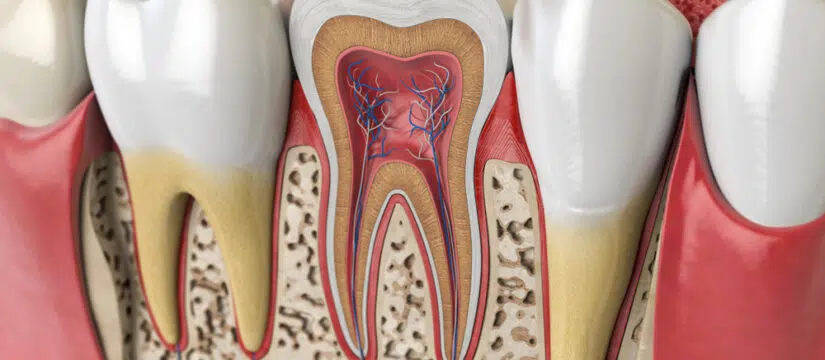
Under the enamel is a softer layer called dentine, which contains tiny channels leading to the nerve. When dentine is exposed, hot, cold, sweet or acidic things can trigger a short, sharp pain. Common reasons include:
- Gum recession, which exposes the root surface.
- Enamel wear from hard brushing or acidic foods and drinks.
- Teeth grinding, which wears and cracks teeth. See our guide to jaw pain and grinding.
- Decay or a broken filling.
- Recent dental treatment or whitening, which usually settles. See sensitivity after a filling.
What you can do at home
- Use a toothpaste for sensitive teeth twice a day and avoid rinsing straight after brushing.
- Switch to a soft toothbrush and use gentle, small circles.
- Limit acidic drinks such as soft drinks, sports drinks and citrus juices.
- Wait about 30 minutes after acidic food or drinks before brushing.
When to see a dentist
Book a check if sensitivity affects one tooth, lingers for more than a few seconds, wakes you at night or comes with swelling. We can find the cause and may suggest treatments such as a fluoride varnish, sealing exposed roots, a filling, gum treatment or a night splint, depending on the cause.
Common questions
Why are my teeth suddenly sensitive?
Sudden sensitivity can come from a new cavity, a cracked tooth, a lost filling, recent whitening or gum recession. If it lasts more than a few days, book a check.
Does sensitive toothpaste work?
For many people, yes. It usually takes two to four weeks of twice-daily use. Smearing a little on sensitive areas before bed can help.
Is sensitivity a sign of a cavity?
It can be, especially if it affects one tooth or lingers after the cold or sweet food is gone. An examination and sometimes an X-ray can tell.
Reviewed by the Glenmore Park Dental Services clinical team, October 2026. This article is general information, not personal dental advice.
To book, call Glenmore Park Dental Services on (02) 4733 1197 or request an appointment. We are at Shop 17b, 11 Town Terrace, Glenmore Park, and open Monday to Saturday.