Both types clean teeth well when used properly. Research reviews have found that powered toothbrushes, especially those with a small round head that rotates back and forth, remove somewhat more plaque and reduce gum inflammation somewhat more than manual brushing over time. The difference is modest, and technique matters more than the brush. Who benefits…
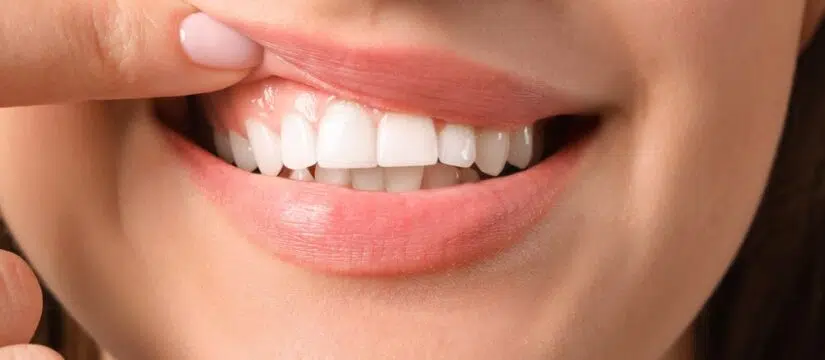
Dry Mouth: Causes, Risks for Your Teeth and What Helps
Saliva protects teeth. It washes away food, neutralises acid and carries minerals that repair early enamel damage. When the mouth is dry for long periods, the risk of tooth decay, gum disease, bad breath and mouth infections goes up. Common causes Do not stop a prescribed medicine because of a dry mouth. Talk to your…
Dental Care During Pregnancy: What Is Safe and What to Expect
Dental check-ups and cleans are safe during pregnancy and are recommended. Hormonal changes make the gums more likely to become inflamed, so pregnancy is a good time to have them checked. Tell us that you are pregnant, and how many weeks, when you book. Pregnancy gingivitis Many women notice red, swollen gums that bleed when…
Mouth Ulcers: Causes, Relief and When to See a Dentist
Mouth ulcers are small, painful sores on the inside of the lips or cheeks, the tongue or the gums. Most are harmless and heal on their own within one to two weeks. Common causes Many people get recurring ulcers, called aphthous ulcers, with no clear cause. They are not contagious. Cold sores are different: they…
Baby Teething: When Teeth Come Through and How to Help
Most babies get their first tooth at around six months, although anywhere from four to ten months is normal. By about three years of age most children have all 20 baby teeth. Teething timeline The order and timing vary between children. A tooth arriving a few months early or late is rarely a concern. Signs…
Dry Socket After a Tooth Extraction: Symptoms and What to Do
Dry socket is the most common complication after a tooth is removed. It happens when the blood clot that should protect the socket is lost or does not form, leaving the bone exposed. It is painful but treatable, and it usually settles within a week to ten days. Symptoms of dry socket Some soreness for…
Dental Emergency in Glenmore Park: What to Do and When to Call
A dental emergency rarely happens at a convenient time. This guide explains which problems need urgent care, what you can do at home while you wait, and how to get seen quickly at Glenmore Park Dental Services. What counts as a dental emergency? Call us as soon as possible if you have: Go to a…
Nervous About the Dentist? Practical Tips for Dental Anxiety
Practical ways to manage dental anxiety, what to tell your dentist and how Glenmore Park Dental Services helps nervous patients feel in control.
Your Child’s First Dental Visit: When to Go and What to Expect
When your child should first see a dentist, what happens at the visit, how to prepare them and how the CDBS can cover the cost.
Tooth Sensitivity After a Filling: What’s Normal and When to Call Us
Why teeth can feel sensitive after a filling, how long it usually lasts, home care tips and the warning signs that mean you should come back.