
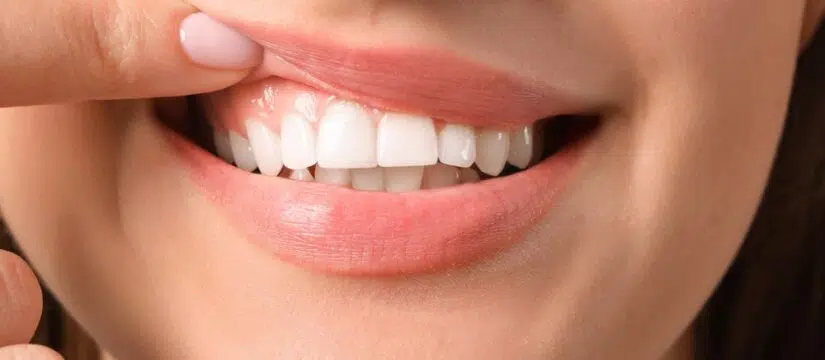
Coffee, tea, red wine and plaque build-up are the usual reasons teeth look duller over time. The good news is that most surface stains can be reduced, and some can be removed in a single visit. Here is what works, what to avoid and when to see us.
Key points
- Most stains are surface stains from coffee, tea, red wine and smoking.
- Tartar can only be removed by a professional clean, which also polishes away much surface stain.
- Avoid abrasive or acidic DIY methods such as charcoal, baking soda scrubs and lemon juice.
- Whitening may lighten natural teeth but does not change fillings, crowns or veneers.
What causes stains on teeth?
- Surface (extrinsic) stains from coffee, tea, red wine, cola, curry and smoking.
- Plaque and tartar. Plaque is soft and brushes off; if it is left, it hardens into tartar (calculus), which picks up stain and can only be removed by a dental professional.
- Deeper (intrinsic) stains from ageing, old fillings, some medicines, or a tooth that has had trauma.
What you can do at home
- Brush twice a day with a fluoride toothpaste and clean between teeth every day.
- Rinse with water or drink coffee and tea with a meal rather than sipping over hours.
- Use a straw for iced coffee and soft drinks.
- A whitening toothpaste can lift some surface stain, but it will not change the natural colour of your teeth.
Avoid DIY methods such as baking soda scrubs, lemon juice or charcoal powders. They can be abrasive or acidic and may wear away enamel, which can make teeth look more yellow over time.
Professional stain and tartar removal
A scale and clean removes hardened tartar and polishes away much of the surface stain that brushing cannot shift. For many people, that alone makes a visible difference.
When whitening or cosmetic treatment helps
If your teeth are naturally darker or stained from within, professional teeth whitening may lighten them. Whitening does not change the colour of fillings or crowns, so we check your teeth first. For stains that do not respond, composite bonding or veneers may be options. Results vary from person to person, and we will talk through what is realistic for you. See our guide to teeth whitening costs.
Read more about tooth discolouration on Healthdirect.
Foods and drinks that stain the most
- Coffee, black tea and red wine.
- Cola and other dark soft drinks.
- Curry, turmeric and tomato-based sauces.
- Berries, soy sauce and balsamic vinegar.
You do not need to give these up. Drinking water alongside them, having them with meals and keeping up regular cleans all help reduce staining.
Keeping teeth brighter after a clean
- Brush twice daily with fluoride toothpaste, ideally with an electric toothbrush.
- Clean between your teeth every day.
- Wait about 30 minutes after acidic food or drinks before brushing.
- Book a scale and clean as often as your dentist recommends, commonly every six to twelve months.
Is it safe to bleach your teeth at home?
Whitening products sold in Australia are limited in strength, and stronger whitening is provided by dental practitioners. Over-the-counter kits can work slowly for some people, but trays that do not fit well can let gel irritate the gums, and whitening is not suitable for everyone, such as people with untreated decay or gum disease. Baking soda and soda powders mainly scrub surface stain and can be abrasive if overused. A check-up first means any decay or gum problems are treated, and we can advise whether professional or take-home whitening suits you.
Reviewed by the Glenmore Park Dental Services clinical team, October 2026. This article is general information, not personal dental advice.
To book, call Glenmore Park Dental Services on (02) 4733 1197 or request an appointment. We are at Shop 17b, 11 Town Terrace, Glenmore Park, and open Monday to Saturday.