
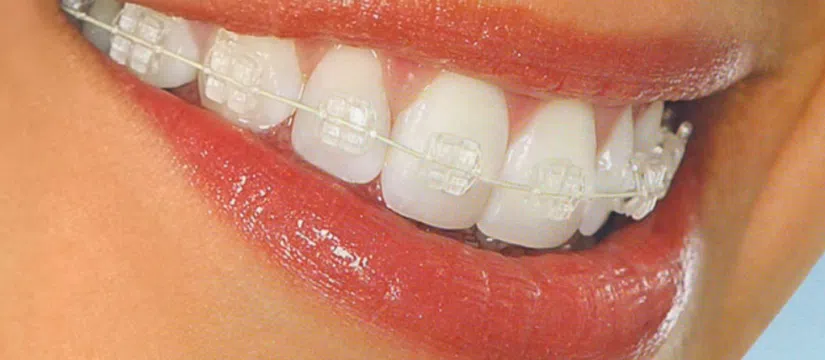
Whether you or your child has fixed braces or clear aligners, food is usually the first question. Here is what to know about chewing gum, the foods to avoid, and how eating works differently with aligners.
Key points
- With fixed braces, gum is usually best avoided because it can stick to and damage brackets and wires.
- Avoid sticky, hard and sugary foods, and cut harder foods into small pieces.
- Clear aligners come out to eat, so there is no banned food list, but no gum while they are in.
- Brush or rinse before putting aligners back in.
Can you chew gum with braces?
With fixed braces, most orthodontists advise avoiding gum. It can stick to brackets and wires, pull them loose or bend a wire, which can slow treatment down. Some people with braces are told sugar-free gum is acceptable in small amounts, so follow the advice of whoever is managing your braces. Sugary gum is best avoided completely, because sugar trapped around brackets raises the risk of decay and white marks on the teeth.
What can you not eat with braces?
- Sticky foods: caramels, toffees, chewy lollies and gum.
- Hard foods: nuts, hard lollies, popcorn kernels, ice and hard crusts.
- Foods you bite into: whole apples, corn on the cob and crusty rolls. Cut them into small pieces instead.
- Sugary drinks: soft drinks, energy drinks and sports drinks, which feed decay around brackets.
Soft foods such as pasta, rice, eggs, yoghurt, soft fruit and cooked vegetables are easy options, especially in the first few days after braces are fitted or adjusted.
Can you chew gum with clear aligners?
No, not while you are wearing them. Gum sticks to the aligner plastic and can warp it. The good news is that clear aligners come out to eat, so there is no list of banned foods. Take them out for meals and snacks, and drink only plain water while they are in.
Eating with clear aligners: simple rules
- Remove aligners before eating or drinking anything other than water.
- Brush, or at least rinse well, before putting them back in so food is not trapped against your teeth.
- Store them in their case, not a serviette, so they are not thrown out by accident.
- Wear them for the hours your dentist recommends, usually about 20 to 22 hours a day.
Keeping teeth healthy during orthodontic treatment
Good brushing, daily flossing and regular check-ups help prevent decay while teeth are moving. If a bracket comes loose or a wire is poking, contact the practice managing your braces. For general dental care during treatment, our Glenmore Park team is happy to help.
You can read more about orthodontic care on Healthdirect.
Easy foods for the first few days
Teeth can feel tender for a few days after braces are fitted or adjusted, or when you start a new set of aligners. Softer foods make this easier:
- Porridge, yoghurt, smoothies and scrambled eggs.
- Pasta, rice, soup and mashed vegetables.
- Soft fish, mince and slow-cooked meat.
- Bananas, berries and cooked or stewed fruit.
Over-the-counter pain relief, taken as directed on the pack, can help with short-term tenderness. If pain is severe or lasts more than a few days, contact your dentist or orthodontist.
Snacks and school lunches with braces
Swap chewy muesli bars and lollies for cheese, crackers, soft fruit and wraps. Water is the best drink between meals. If your child plays contact sport, ask about a mouthguard designed to fit over braces.
Reviewed by the Glenmore Park Dental Services clinical team, October 2026. This article is general information, not personal dental advice.
To book, call Glenmore Park Dental Services on (02) 4733 1197 or request an appointment. We are at Shop 17b, 11 Town Terrace, Glenmore Park, and open Monday to Saturday.